
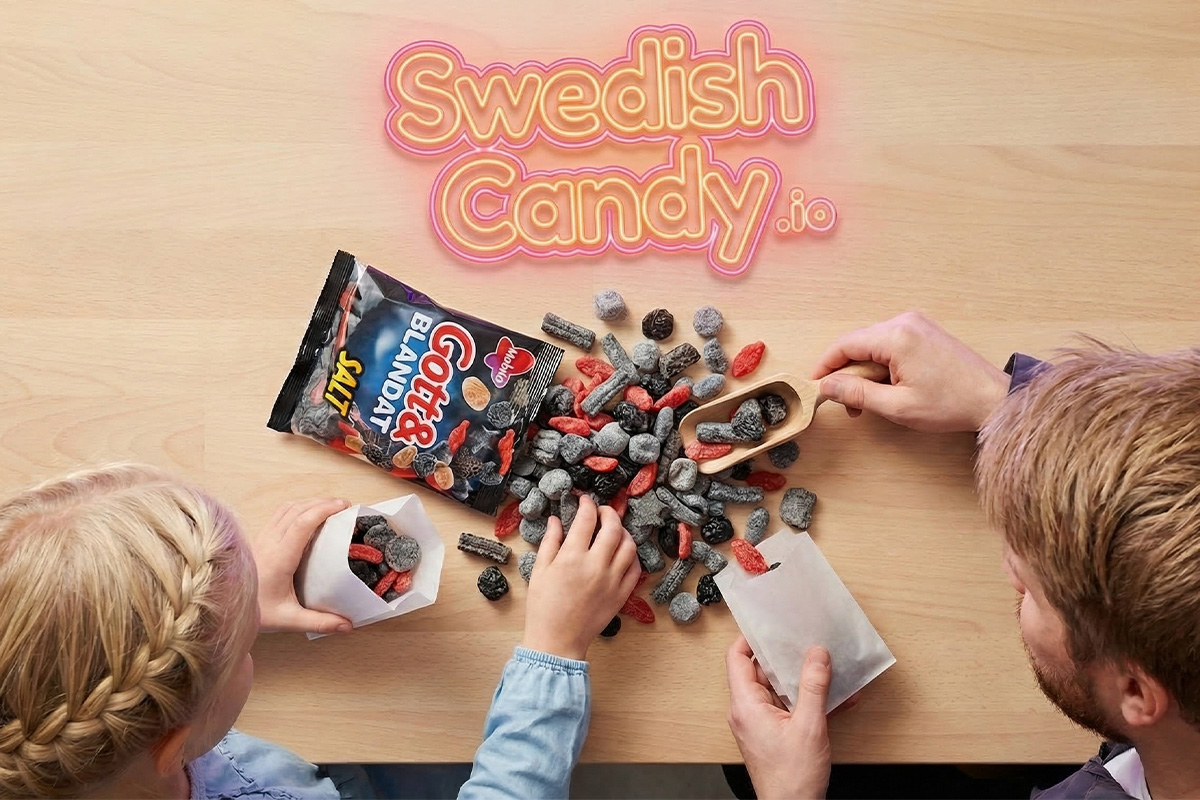


Swedish licorice is either “wow, this is amazing” or “why would anyone eat this” with basically no middle ground. The good news: there’s a progression. You don’t have to jump straight to salmiak (which tastes like the ocean had opinions about candy). You can work your way up. By the end of this guide, you’ll either be a licorice convert or have a much better understanding of why Swedes think you’re missing out. Probably both.
The Licorice Spectrum: Sweet to Absolutely Wild
Level 1: Raspberry-Licorice Combos (The Gateway)
This is where everyone starts. It’s not really licorice candy. It’s fruit candy with a tiny bit of licorice flavor to make it interesting. BUBS Raspberry-Licorice Skulls, for instance. You get familiar strawberry or raspberry flavor, plus a hint of something darker underneath. Your brain recognizes fruit, so it’s comfortable.
This is the training wheels. It proves you can eat licorice-adjacent candy without dying. Most people enjoy this phase.
Level 2: Mild Licorice (Skippers Pipes, Regular Licorice Drops)
Now you’re actually eating licorice. It’s not aggressive. It’s smooth, slightly sweet, with a gentle herbal note. Skippers Pipes are cylindrical licorice-flavored candies. They dissolve slowly. They taste like licorice should taste if licorice was designed to be pleasant instead of challenging.
Most people who try this level realize, “Oh, licorice is fine. I was just scared of the extreme versions.” This is a healthy realization.
Level 3: Regular Salty Licorice (Salmiakki, Lakrits)
Now you’re in the actual licorice section. Salty licorice has salt mixed into the licorice base. It’s not sweet-salty like chips and chocolate. It’s herbal-salty, almost metallic. Your mouth tingles slightly. It’s intense, but it’s not trying to be extreme.
Most salty licorice is 60-70% licorice, 30-40% salt. The ratio matters. Some people try one piece of heavy salty licorice and declare they hate all licorice forever. Those people haven’t tried the balanced versions.
Haupt Lakrits is considered premium salty licorice. It’s more refined than aggressive versions. It’s the “gateway to salty” for people coming from Level 2.
Level 4: Salmiak (The Moment of Truth)
‘Salmiak’ is the Danish-Swedish hybrid. It’s ammonium chloride (sal ammoniac, salmiak) mixed with licorice. It literally tastes like your mouth is doing geometry. Swedes and Finns grow up eating this. Americans try it once and either love it or understand why their Scandinavian friends are weird.
First-time salmiak reactions are genuinely entertaining: “Why does this taste like the ocean?” “Is this supposed to taste like metal?” “I think something is wrong with my mouth.”
Second-time reactions (if you try it again) are different: “Okay, I actually kind of like this.” Salmiak is an acquired taste, but it acquires surprisingly fast once you understand what you’re tasting.
Level 5: Wild Licorice (Djungelvrål, Tyrkisk Peber)
These are the extreme licorice candies. Djungelvrål combines licorice with chili. Tyrkisk Peber combines licorice with salt and pepper. These are not entry-level candies. These are the candies you bring to a party and watch people’s faces change when they bite into them.
These are genuinely wild. But also genuinely interesting if you’re ready for them. Browse all licorice Swedish Candy and you’ll see options at every level.

Markus eating salty licorice.
Licorice Texture Vocabulary
Chewy: Takes work to dissolve, flavor intensifies as you chew. Most salty licorice. Good for: sustained flavor, people who like extended candy experiences.
Soft: Dissolves with minimal chewing. Mild licorice, some salmiak. Good for: people who don’t want to work for their candy.
Crunchy: Has hard pieces mixed in (sometimes licorice is mixed with hard candy). Salmiak pastilles. Good for: texture variety, keeping things interesting.
Why Salmiak Isn’t Actually Crazy
Salmiak tastes weird because ammonium chloride is a strong flavor. But it’s not dangerous. It’s used in medications and cough drops. Your mouth has tasted this before, you just didn’t know it. Salmiak in candy form is just… concentrated version of something familiar.
The reason it tastes like the ocean is actually interesting chemistry: ammonium chloride is slightly alkaline, which creates that ocean/metallic sensation. It’s not your mouth malfunctioning. It’s your taste buds accurately detecting something unusual.
And here’s the thing: once you understand what you’re tasting, you can either appreciate it or move on. Most people who hate salmiak on first try like it on second try because the shock wears off.
The Licorice Progression (Actually Doable)
Week 1: Try BUBS Raspberry-Licorice or another mild fruit-licorice combo. Comfort zone. You like it.
Week 2: Try Skippers Pipes or regular licorice drops. Actual licorice flavor. Your brain adapts.
Week 3: Try regular salty licorice (balanced ratio, not extreme). A little challenge, but manageable.
Week 4: Try salmiak if curious, or stick with salty licorice if you’re happy there. No judgment either way.
Month 2+: Try wild versions (Djungelvrål, Tyrkisk Peber) if you’re feeling adventurous, or just enjoy whatever level you landed on.
This progression is real. Swedes grow up with this timeline, and American newcomers follow the same path. You don’t have to force yourself to like extreme licorice. Just let your palate adapt naturally.
Why Swedes Love Licorice (And Why You Might Too)
Licorice has a complex flavor profile. It’s herbal, it’s slightly sweet (depending on version), it has depth. It’s not a one-note candy. It’s something you actually think about while eating, which makes it more interesting than simple sweet.
Also, licorice is nostalgic in Sweden. Swedes eat licorice from childhood, so it carries memories. You don’t have that nostalgia yet, but you can build it. Eat licorice regularly, and in two years it will trigger happy memories instead of confusion.
Where to Get Started
Browse licorice Swedish Candy and start with mild options (fruit-licorice combos, Skippers Pipes). Don’t jump to Djungelvrål unless you enjoy cosmic-level weirdness. Work your way through the progression and let your palate develop.
Learn more about Swedish Candy as a whole, or start exploring categories. Licorice is polarizing, but it’s worth understanding why Swedes think it’s special.
Our Top Licorice Picks for Beginners
Ready to start? These are the licorice candies we recommend starting with, from mild and sweet all the way to your first real salmiak experience.
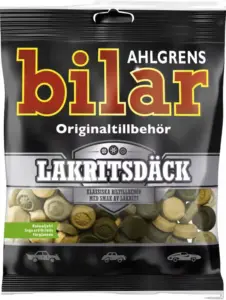
Ahlgrens Bilar Licorice Tires
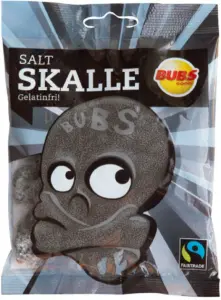
Bubs Raspberry Licorice Skulls
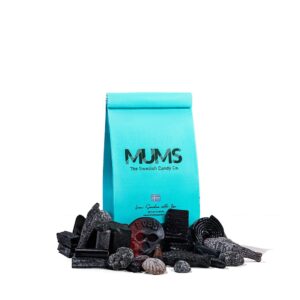
Licorice Swedish Candy Mix With BUBS
Start with a candy that mixes salmiak with sweet licorice rather than going straight for the pure stuff. Your taste buds will thank you, and you might actually come back for more. Check our full licorice collection for options sorted by intensity.