Skip to Content

Swedish Candy vs American Candy: What Actually Makes It Different?

Swedish Candy vs American candy isn’t just a preference debate. It’s a fundamental difference in how the candy is made, what goes into it, and what gets left out. Americans grew up on gelatin gummies, high-fructose corn syrup, and petroleum-based food dyes. Swedes grew up on corn starch gummies, real cane sugar, and plant-based colors. The gap between the two is wider than most people realize. Here’s what’s actually going on.

Ingredient Differences: What’s Actually in the Candy

The biggest difference starts with what holds the candy together. American gummy candies use gelatin as a gelling agent. Swedish Candy brands like BUBS use corn starch, potato starch, and gum arabic instead. That’s why most Swedish candy is vegan and gelatin-free by default. It also changes the texture completely—corn starch creates a foamy, melt-in-your-mouth feel, while gelatin creates a dense, chewy bite.

Then there’s what gives candy its color. American candy relies heavily on synthetic petroleum-based food dyes—Red 40, Yellow 5, Yellow 6, Blue 1, and others. The FDA announced in 2025 a plan to phase out these petroleum-based dyes by the end of 2027, and Red #3 was formally banned by the FDA in January 2025 (with a compliance deadline of January 2027 for food). Swedish candy already avoids all of these. Colors come from fruit and vegetable extracts—beetroot for red, spirulina for blue, carrot concentrate for orange. No synthetic dyes needed.

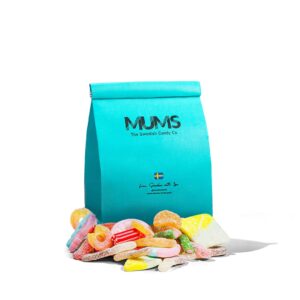
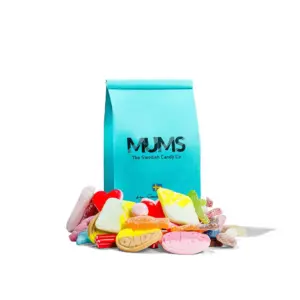
Swedish candy retailer Mums Candy sums up the difference on their packaging with a clean-label checklist that reads like a what-not-to-do list for American candy makers: No Parabens, No Gluten, No GMOs, No Artificial Flavors, No High Fructose Corn Syrup, No Red-40. That’s not a niche health-food brand—that’s standard for Swedish candy across the board.

Sugar is the other major split. American candy uses high-fructose corn syrup (HFCS) in almost everything because it’s cheaper. Swedish candy uses real cane sugar. HFCS is sweeter per gram, which is why American candy often tastes aggressively sweet. Swedish candy has a more balanced sweetness that lets actual flavor come through.
Swedish Candy Land

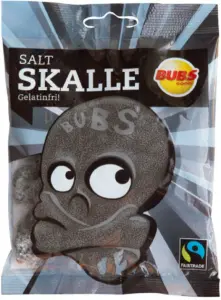
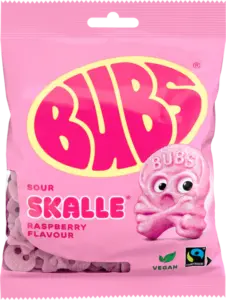
Bubs Sour Raspberry Skull

3.2 oz · $20.11/lb
VVeganNo animal-derived ingredients. GFGelatin freeUses corn starch instead of gelatin. GLGluten freeNo gluten sources.
23% discount
Mums Candy

Gelatin Free Mix

11.0 oz · $36.35/lb
GFGelatin freeUses corn starch instead of gelatin.

Texture Differences: How They Actually Feel in Your Mouth

This is where Swedish candy earns its reputation. American gummies are dense—you bite into a Haribo gummy bear and it’s chewy, it lingers, it takes effort to break down. Swedish candy gummies are foamy. You bite into a BUBS Skull and it dissolves almost instantly, releasing a burst of flavor that doesn’t stick to your teeth the same way.

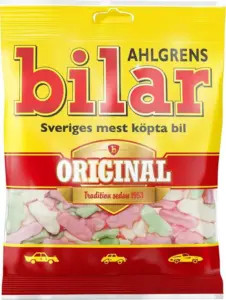
That difference is intentional. Swedish candy companies developed candies designed to dissolve rather than linger. The result is more flavor per second and less of that heavy, gummy residue. Ahlgrens Bilar—Sweden’s most iconic candy—takes this to an extreme with a marshmallow-like texture that’s unlike anything in American candy aisles.
Swedish Candy Land

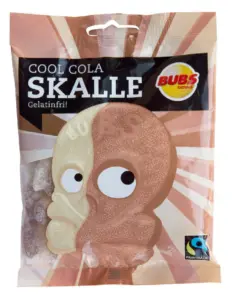
Bubs Cool Cola Skull

3.2 oz · $20.11/lb
VVeganNo animal-derived ingredients. GFGelatin freeUses corn starch instead of gelatin. GLGluten freeNo gluten sources.
40% discount
Swedish Candy Land

Ahlgrens Bilar Original

4.4 oz · $10.85/lb

Sour candies highlight the contrast too. American sour gummies tend to be sour on the outside coating with a standard sweet gummy inside. Swedish sour candies are sour and sweet all the way through, often with a fizzy coating that creates a tingling sensation rather than just an acid punch.

Flavor Variety: Why Swedish Candy Has More Options

Walk into an American candy aisle and you’ll see maybe 20 different brands making the same flavor combinations—strawberry, orange, lemon, lime, grape. Walk into a Swedish candy store and there’s a whole wall of lösgodis (pick-and-mix) with 100+ individual flavors. Blueberry-raspberry combinations. Mango-passion fruit. Licorice-chocolate fusions. Salty-sweet hybrids that shouldn’t work but do.

The reason comes down to culture. Swedish candy culture is built on choice and customization—you pick your own mix from dozens of bins and create something unique. American candy culture is built on consistency and brand loyalty. You buy the same red bag every week because it’s familiar.

That lösgodis tradition also pushes Swedish candy makers to innovate constantly. If your candy doesn’t earn a spot in someone’s personal mix, it fails. So you get creative flavors, unusual textures, and combinations that American candy makers would never risk.
17% discount
SwedishCandy.com

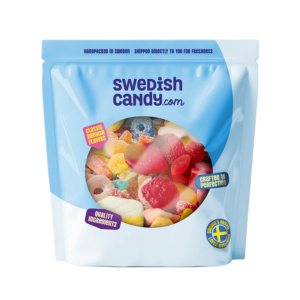
Sour and Sweet Swedish Candy Mix

1.1 lb · $31.74/lb
19% discount
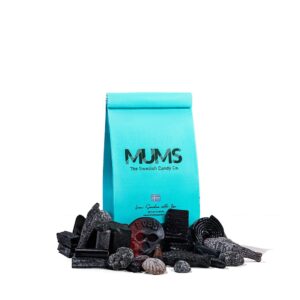
Mums Candy

Licorice Swedish Candy Mix With BUBS

11.0 oz · $29.08/lb

The Lördagsgodis Effect: Culture Matters

Lördagsgodis (Saturday candy) shaped how Swedes think about candy. The tradition started in the 1950s as a public health recommendation—limit candy to once a week, on Saturday. It stuck. Candy in Sweden is something you savor and think about, not something you mindlessly grab at 3pm on a Tuesday.

This cultural context means Swedish candy is designed to be special and flavorful. Every piece needs to earn its place in your Saturday mix. American candy is designed for constant snacking—cheap, consistent, and engineered for maximum consumption. Different design goals produce fundamentally different products.

The Chocolate Gap: Marabou vs Hershey’s

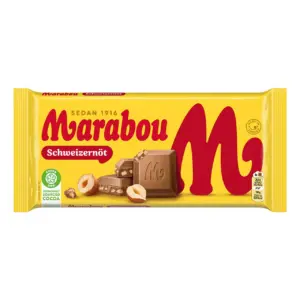
The differences aren’t limited to gummies. Swedish chocolate—led by Marabou, Sweden’s dominant chocolate brand since 1916—uses higher cocoa butter content and real milk. American mass-market chocolate like Hershey’s uses a process that produces butyric acid, giving it a tangy, slightly sour flavor that Europeans often describe as tasting “off.” Swedish chocolate tastes creamier, smoother, and more straightforwardly chocolatey.
Swedish Candy Land

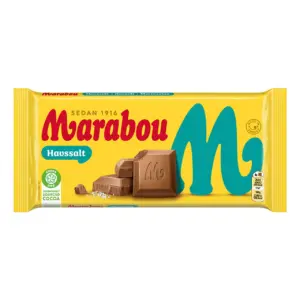
Marabou Chocolate Sea Salt

5.6 oz · $15.56/lb
Swedish Candy Land

Marabou Schweizernöt

3.2 oz · $25.10/lb

Price: Swedish Candy Is More Affordable Than You’d Think

People assume Swedish candy is expensive because it’s imported. The reality is more nuanced. A bag of BUBS Skulls costs $6–$9 depending on the retailer. A comparable bag of Haribo costs $5–$8. The per-gram difference is small, and when you buy from dedicated Swedish candy retailers rather than specialty markups at Target, the prices normalize quickly.

The real price difference shows up in shipping. US-based Swedish candy retailers like BonBon, Sweetish, and Mums Candy ship domestically with standard rates. Sweden-based retailers have lower product prices but higher shipping costs. For larger orders, buying from Sweden can actually be cheaper per gram. Our price comparison breaks down exactly where to find the best deal for your order size.

Why the Regulatory Gap Matters

The EU follows the precautionary principle—when in doubt, leave it out. The US historically allowed additives unless proven harmful. That’s why the EU banned Red #3 over 30 years ago, while the FDA only acted in 2025. It’s why synthetic dyes in Europe require warning labels about hyperactivity in children, while the US required no such labels. And it’s why Swedish candy has always been made with natural ingredients—not because of marketing trends, but because EU food regulations demanded it.

The US is catching up. The FDA’s 2025 move to phase out petroleum-based dyes by 2027 will push American candy closer to European standards. But Swedish candy has been meeting those standards for decades.

What This Means for You

If you’ve only ever had American candy, Swedish candy is genuinely different. The texture is lighter. The flavors are more varied. The ingredients are cleaner. And the cultural approach—treating candy as a weekly indulgence rather than a daily habit—means every piece is designed to be worth noticing.

You don’t have to take our word for it. Try a side-by-side comparison yourself. Pick a Swedish sour candy and an American sour candy. Check the ingredients. Taste them back to back. The difference speaks for itself.
19% discount
Mums Candy

Sweet and Sour Swedish Mix With BUBS

11.0 oz · $29.08/lb

Browse our full product catalog to compare prices across retailers. Read more about what Swedish Candy actually is for the complete primer. And check whether Swedish candy is actually healthy for a deeper dive into ingredients and nutrition.
Ahlgrens Bilar: Sweden’s Most Sold Car Is Actually a Candy

Sweden’s most sold car isn’t a Volvo. It’s not even a car. It’s Ahlgrens Bilar—a tiny, marshmallow-bodied candy that’s been flying off Swedish shelves since 1953. ‘Bilar’ (cars) is the perfect name because these little foam-and-sugar chariots arrive in convoys. A typical Swede eats about 300 Ahlgrens Bilar per year. That’s roughly one per day. We’re not exaggerating. These candies are a national obsession, and after you taste one, you’ll understand why. Here’s the full story.

The Ahlgrens Bilar Origin Story (Since 1953)

Ahlgrens Bilar was invented in 1953 by the Swedish candy company Ahlgrens Konfektyr. The concept was simple: take a squishy marshmallow base, coat it in harder sugar shell, shape it like a tiny car, and sell it by the bag. The design worked so well that it became Sweden’s default candy snack. By the 1970s, Ahlgrens Bilar was everywhere. Today, it’s the best-selling candy in Sweden by volume. More than 120 million cars are produced every year. That’s not a typo.

Three Colors, Three Flavors: What You Need to Know

The classic Ahlgrens Bilar trio is instantly recognizable in Sweden: red (strawberry), yellow (lemon), and white (coconut). Each car is roughly the size of your thumb, foamy and light on the inside, with a delicate sugar shell on the outside. The foam practically dissolves on your tongue. The flavor is clean and fruity—no artificial aftertaste, just pure candy joy. When you bite one, the shell cracks and the foam collapses into sweet nothing. It’s weirdly meditative.

The Variants: Beyond the Original

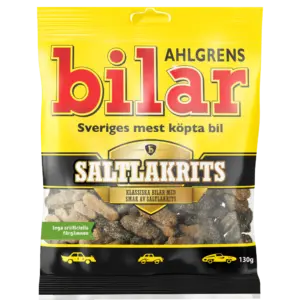
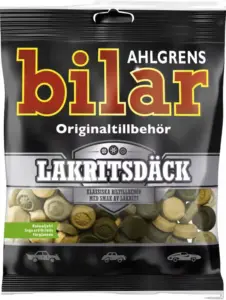
Ahlgrens expanded the lineup over the decades. The Original remains the gold standard—a must-try for any first-timer. The Sour variant hits you with citric acid on the shell—that tangy, mouth-puckering sensation before the smooth foam inside. The Chocolate version wraps the marshmallow in a thin cocoa shell instead of sugar. And if you’re feeling adventurous, there’s the Salty Licorice variant—a divisive flavor that Swedes either crave or avoid entirely. (Fair warning: it’s an acquired taste.) Here on SwedishCandy.io, we carry the Original, Salty Licorice, and Licorice Tires—and we’re always adding more.

40% discount
Swedish Candy Land

Ahlgrens Bilar Original

4.4 oz · $10.85/lb
Swedish Candy Land

Ahlgrens Bilar Salty Licorice

4.6 oz · $17.38/lb
GLGluten freeNo gluten sources.
Swedish Candy Land

Ahlgrens Bilar Licorice Tires

3.9 oz · $20.54/lb
GLGluten freeNo gluten sources.

Why Ahlgrens Bilar Is So Hard to Find in America

Ahlgrens Bilar is barely exported. Most Swedes buy them at home for a fraction of what Americans pay. When they do appear stateside, it’s through specialty Swedish Candy retailers. The shipping cost, import duties, and small market mean retailers mark them up significantly. But that’s exactly why we track them. If you’re looking for the real thing—not a knockoff, not some American foam candy pretending to be Swedish—we’ll help you find it and the best deal available.

Where to Buy Ahlgrens Bilar (And Other Ahlgrens Sweets)

You can grab Ahlgrens Bilar Original, Salty Licorice, and Licorice Tires right here on SwedishCandy.io. We track prices across multiple retailers so you’re not overpaying. For more foamy Swedish treats, browse our marshmallow candy collection or check our full product catalog to compare prices—because a Swedish Candy lover shouldn’t have to mortgage the house for a bag of cars.

Why Swedes Are Obsessed (And You Will Be Too)

Ahlgrens Bilar isn’t just candy—it’s cultural shorthand. A Swede abroad will mail their friend a bag of Ahlgrens as a “I miss home” gesture. It’s packaged in a bright red box that screams Swedish design. It tastes like childhood to anyone who grew up in Sweden. And honestly? The texture and flavor are genuinely better than most American marshmallow candies. The foam is lighter. The flavoring is cleaner. The overall experience is just more pleasant.

Want to understand what makes Swedish Candy different from American alternatives? Read what Swedish Candy actually is. For more on marshmallow varieties and textures, check out our guide to Swedish Candy ASMR—Ahlgrens Bilar are ASMR perfection. And if you’re curious about how we find and compare these rare treats, read about how we built SwedishCandy.io.

💡
Marshmallow Lovers, Take Note

Ahlgrens Bilar belongs to the marshmallow family of Swedish candy. If you enjoy the soft, foamy texture, explore more options in our marshmallow candy collection — there are several other Swedish brands with a similar vibe.

Swedish Licorice: A Beginner’s Guide (Yes, Even the Salty Kind)

Swedish licorice is either “wow, this is amazing” or “why would anyone eat this” with basically no middle ground. The good news: there’s a progression. You don’t have to jump straight to salmiak (which tastes like the ocean had opinions about candy). You can work your way up. By the end of this guide, you’ll either be a licorice convert or have a much better understanding of why Swedes think you’re missing out. Probably both.

The Licorice Spectrum: Sweet to Absolutely Wild

Level 1: Raspberry-Licorice Combos (The Gateway)

This is where everyone starts. It’s not really licorice candy—it’s fruit candy with a tiny bit of licorice flavor to make it interesting. BUBS Raspberry-Licorice Skulls, for instance. You get familiar strawberry or raspberry flavor, plus a hint of something darker underneath. Your brain recognizes fruit, so it’s comfortable.

This is the training wheels. It proves you can eat licorice-adjacent candy without dying. Most people enjoy this phase.

Level 2: Mild Licorice (Skippers Pipes, Regular Licorice Drops)

Now you’re actually eating licorice. It’s not aggressive. It’s smooth, slightly sweet, with a gentle herbal note. Skippers Pipes are cylindrical licorice-flavored candies. They dissolve slowly. They taste like licorice should taste if licorice was designed to be pleasant instead of challenging.

Most people who try this level realize, “Oh, licorice is fine. I was just scared of the extreme versions.” This is a healthy realization.

Level 3: Regular Salty Licorice (Salmiakki, Lakrits)

Now you’re in the actual licorice section. Salty licorice has salt mixed into the licorice base. It’s not sweet-salty like chips and chocolate. It’s herbal-salty, almost metallic. Your mouth tingles slightly. It’s intense, but it’s not trying to be extreme.

Most salty licorice is 60-70% licorice, 30-40% salt. The ratio matters. Some people try one piece of heavy salty licorice and declare they hate all licorice forever. Those people haven’t tried the balanced versions.

Haupt Lakrits is considered premium salty licorice. It’s more refined than aggressive versions. It’s the “gateway to salty” for people coming from Level 2.

Level 4: Salmiak (The Moment of Truth)

‘Salmiak’ is the Danish-Swedish hybrid. It’s ammonium chloride (sal ammoniac, salmiak) mixed with licorice. It literally tastes like your mouth is doing geometry. Swedes and Finns grow up eating this. Americans try it once and either love it or understand why their Scandinavian friends are weird.

First-time salmiak reactions are genuinely entertaining: “Why does this taste like the ocean?” “Is this supposed to taste like metal?” “I think something is wrong with my mouth.”

Second-time reactions (if you try it again) are different: “Okay, I actually kind of like this.” Salmiak is an acquired taste, but it acquires surprisingly fast once you understand what you’re tasting.

Level 5: Wild Licorice (Djungelvrål, Tyrkisk Peber)

These are the extreme licorice candies. Djungelvrål combines licorice with chili. Tyrkisk Peber combines licorice with salt and pepper. These are not entry-level candies. These are the candies you bring to a party and watch people’s faces change when they bite into them.

These are genuinely wild. But also genuinely interesting if you’re ready for them. Browse all licorice Swedish Candy and you’ll see options at every level.

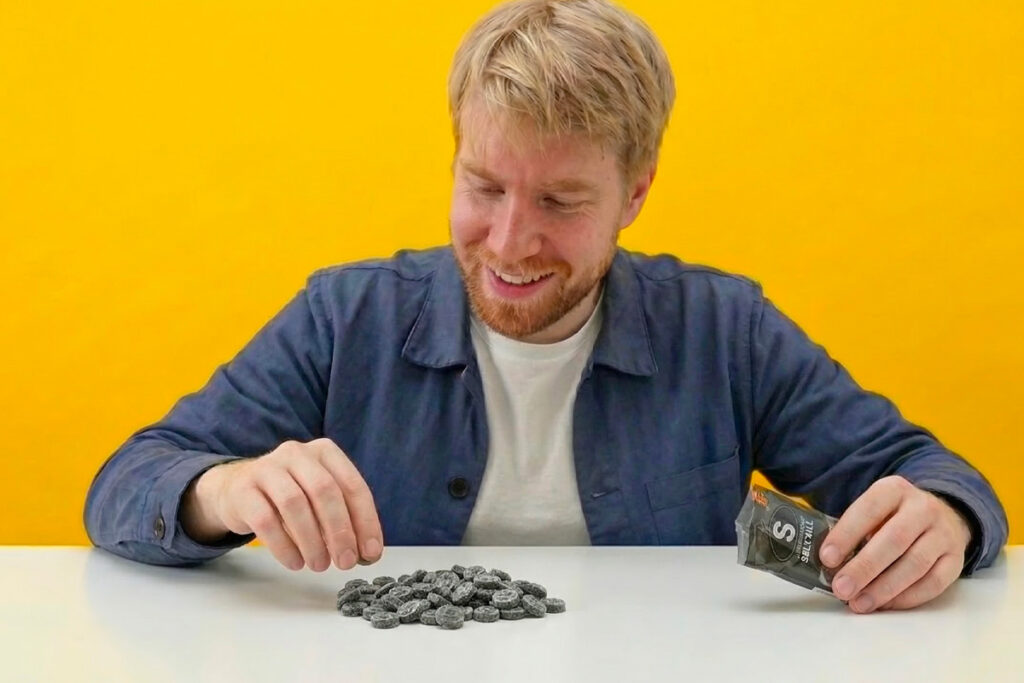
Markus eating salty licorice.

Licorice Texture Vocabulary

Chewy: Takes work to dissolve, flavor intensifies as you chew. Most salty licorice. Good for: sustained flavor, people who like extended candy experiences.

Soft: Dissolves with minimal chewing. Mild licorice, some salmiak. Good for: people who don’t want to work for their candy.

Crunchy: Has hard pieces mixed in (sometimes licorice is mixed with hard candy). Salmiak pastilles. Good for: texture variety, keeping things interesting.

Why Salmiak Isn’t Actually Crazy

Salmiak tastes weird because ammonium chloride is a strong flavor. But it’s not dangerous. It’s used in medications and cough drops. Your mouth has tasted this before, you just didn’t know it. Salmiak in candy form is just… concentrated version of something familiar.

The reason it tastes like the ocean is actually interesting chemistry: ammonium chloride is slightly alkaline, which creates that ocean/metallic sensation. It’s not your mouth malfunctioning. It’s your taste buds accurately detecting something unusual.

And here’s the thing: once you understand what you’re tasting, you can either appreciate it or move on. Most people who hate salmiak on first try like it on second try because the shock wears off.

The Licorice Progression (Actually Doable)

Week 1: Try BUBS Raspberry-Licorice or another mild fruit-licorice combo. Comfort zone. You like it.

Week 2: Try Skippers Pipes or regular licorice drops. Actual licorice flavor. Your brain adapts.

Week 3: Try regular salty licorice (balanced ratio, not extreme). A little challenge, but manageable.

Week 4: Try salmiak if curious, or stick with salty licorice if you’re happy there. No judgment either way.

Month 2+: Try wild versions (Djungelvrål, Tyrkisk Peber) if you’re feeling adventurous, or just enjoy whatever level you landed on.

This progression is real. Swedes grow up with this timeline, and American newcomers follow the same path. You don’t have to force yourself to like extreme licorice. Just let your palate adapt naturally.

Why Swedes Love Licorice (And Why You Might Too)

Licorice has a complex flavor profile. It’s herbal, it’s slightly sweet (depending on version), it has depth. It’s not a one-note candy. It’s something you actually think about while eating, which makes it more interesting than simple sweet.

Also, licorice is nostalgic in Sweden. Swedes eat licorice from childhood, so it carries memories. You don’t have that nostalgia yet, but you can build it. Eat licorice regularly, and in two years it will trigger happy memories instead of confusion.

Where to Get Started

Browse licorice Swedish Candy and start with mild options (fruit-licorice combos, Skippers Pipes). Don’t jump to Djungelvrål unless you enjoy cosmic-level weirdness. Work your way through the progression and let your palate develop.

Learn more about Swedish Candy as a whole, or start exploring categories. Licorice is polarizing, but it’s worth understanding why Swedes think it’s special.

Our Top Licorice Picks for Beginners

Ready to dive in? These are the licorice candies we recommend starting with — from mild and sweet all the way to your first real salmiak experience.

Swedish Candy Land

Ahlgrens Bilar Licorice Tires

3.9 oz · $20.54/lb
GLGluten freeNo gluten sources.
Swedish Candy Land

Bubs Salty Licorice Skull

3.2 oz · $22.07/lb
VVeganNo animal-derived ingredients. GFGelatin freeUses corn starch instead of gelatin. GLGluten freeNo gluten sources.
19% discount
Mums Candy

Licorice Swedish Candy Mix With BUBS

11.0 oz · $29.08/lb
💡
First Time Trying Salmiak?

Start with a candy that mixes salmiak with sweet licorice rather than going straight for the pure stuff. Your taste buds will thank you — and you might actually come back for more. Check our full licorice collection for options sorted by intensity.

How to Make a Swedish Candy Salad (The TikTok Trend)

If you’ve been on TikTok in the last six months, you’ve probably seen a candy salad video. And if that candy salad was Swedish Candy, congratulations—you’ve witnessed the internet’s best kept snacking trend. A candy salad isn’t actually a salad (sorry, health enthusiasts). It’s a carefully curated mix of Swedish Candy designed to hit every flavor at once: foamy, sour, chewy, fruity, salty. It’s chaos in a bowl, and it absolutely works. Here’s how to build one that won’t disappoint.

What You Actually Need

Start with a base: a small mixing bowl or clear jar. You want something you can see through so the colors pop. Then grab a spoon and grab yourself a few Swedish Candy varieties. No rules, but here’s the science: you want texture contrast (foamy bounces against chewy), flavor contrast (sour against sweet), and color contrast (red, yellow, white, black all visible). That’s it. That’s the salad.

The Best Swedish Candy Combos (Tested)

The Foamy Foundation: Start with BUBS sour strawberries or marshmallow candies. Bubs are the TikTok darling for a reason—they’re almost impossibly light, with a foam crunch that feels like eating a cloud. They film beautifully, too. The light texture means you can pile other candies on top without everything turning into a dense brick.

The Sour Layer: Add Swedish sour candies next—think Fizzix, Sura Vita, or Bilar Surr. The citric acid coating crackles between your teeth, and that sharp tangy flavor cuts through the sweetness of the foamy stuff below. Pro tip: sour candies photograph incredibly well. The white powder coating shows up like snow.

The Chewy Anchor: Go for a sweet-sour hybrid like Saures Fruchtland or a classic Marabou chocolate piece broken into chunks. Chewy candies add substance and flavor depth. They slow down your eating pace, which makes the experience last longer—perfect for the 15-second TikTok video where you’re visibly enjoying every bite.

The Wild Card: Throw in something unexpected. Salty licorice if you’re feeling brave. A marshmallow-coated piece. A crunchy biscuit candy. The candy salad is supposed to surprise you, and that surprise is what makes the video interesting.

Where to Buy Each Piece (And Keep Costs Down)

You don’t need to buy five different products. Browse our full Swedish Candy catalog and pick a mixed variety pack, or hit specific sour and sweet-sour categories. Mix-and-match packs exist specifically for this. BUBS has variety bundles. Fizzix variety packs let you test five flavors in one box. Stack a few smart purchases, and you’ve got enough ingredients for three salads without breaking the bank.

TikTok Tips: How to Film Your Salad Like a Pro

Lighting matters more than you think. Natural window light hits candy perfectly—the translucence of those foamy pieces shines. Use a clear glass or bowl so viewers can see the layers. Film from above at a 45-degree angle so the layers are visible but the spoon goes in at a satisfying depth. Slow-mo on the bite. Let people hear the crunch. That crackle of sour powder and foam collapse is ASMR gold.

Add text overlay: “Swedish Candy Salad” or “trying this TikTok trend.” The algorithm loves specificity. And yes, it’s worth filming twice—once for the aesthetic, once for the actual eating-and-reacting moment. The reaction is the video.

Why Swedish Candy Salads Actually Work

American candy is engineered for a single flavor profile. You bite a Haribo gummy, it tastes like strawberry. That’s the whole thing. Swedish Candy is built for complexity—multiple flavors in one piece, layers of texture, unexpected sour and sweet combinations. When you mix a salad, you’re amplifying that complexity. Your mouth gets five different experiences in one spoonful. That’s why it’s so weirdly satisfying to watch and eat.

Ready to build your first salad? Head to our BUBS selection for the foamy base, grab some sour Swedish Candy, and mix in whatever else catches your eye from our full product range. For more on Swedish Candy textures and flavors, read what makes Swedish Candy different and check out the ASMR guide for more on why these candies sound as good as they taste.

📌
Candy Salad Portions

One standard Swedish candy bag (around 4 oz) covers about 2–3 salad servings. For a party-sized candy salad, grab at least 3–4 different bags to get that iconic mix of textures and colors. Check the sweet & sour collection for the best variety.

Grab These for Your Next Candy Salad

Swedish Candy Land

Bubs Sour Raspberry Skull

3.2 oz · $20.11/lb
VVeganNo animal-derived ingredients. GFGelatin freeUses corn starch instead of gelatin. GLGluten freeNo gluten sources.
Swedish Candy Land

Bubs Cool Cola Skull

3.2 oz · $20.11/lb
VVeganNo animal-derived ingredients. GFGelatin freeUses corn starch instead of gelatin. GLGluten freeNo gluten sources.
Swedish Candy Land

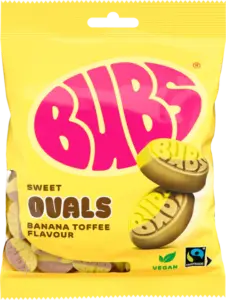
BUBS Goody Banana/Toffee Sweet Ovals

3.2 oz · $20.11/lb
VVeganNo animal-derived ingredients. GFGelatin freeUses corn starch instead of gelatin. GLGluten freeNo gluten sources.
17% discount
SwedishCandy.com

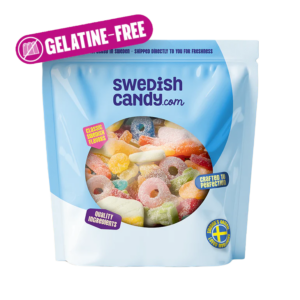
Sour Candy Mix Gelatine-Free

1.1 lb · $31.74/lb
GFGelatin freeUses corn starch instead of gelatin.

SwedishCandy.io is a Swedish Candy comparison and discovery site for Swedish Candy available in the United States. We do not sell products directly and are not responsible for pricing changes, product availability, or stock levels at third-party retailers. All links lead to external online stores, and it is the responsibility of the visitor to verify current pricing and availability before purchase. We may earn a commission on qualifying purchases made through links on this site, at no extra cost to you.

Back to Top